Affiliate Marketing
Study: What are the best industries for affiliate programs?
A ReferralCandy study reveals which ecommerce industries see affiliates contribute most to customer acquisition—and what the leaders have in common.
What actually works in referral and affiliate marketing — backed by real data from thousands of live Shopify stores.
A ReferralCandy study reveals which ecommerce industries see affiliates contribute most to customer acquisition—and what the leaders have in common.
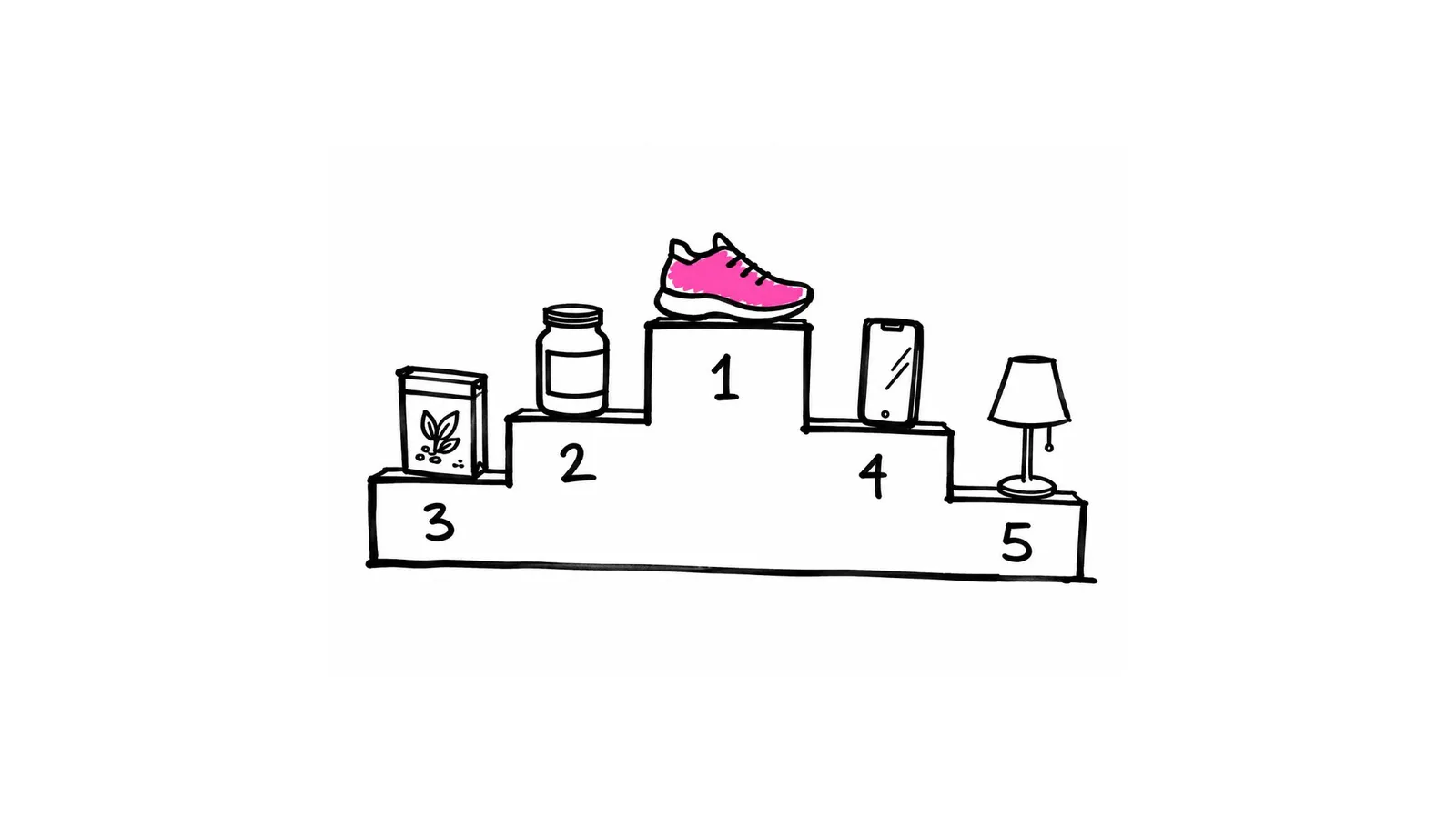
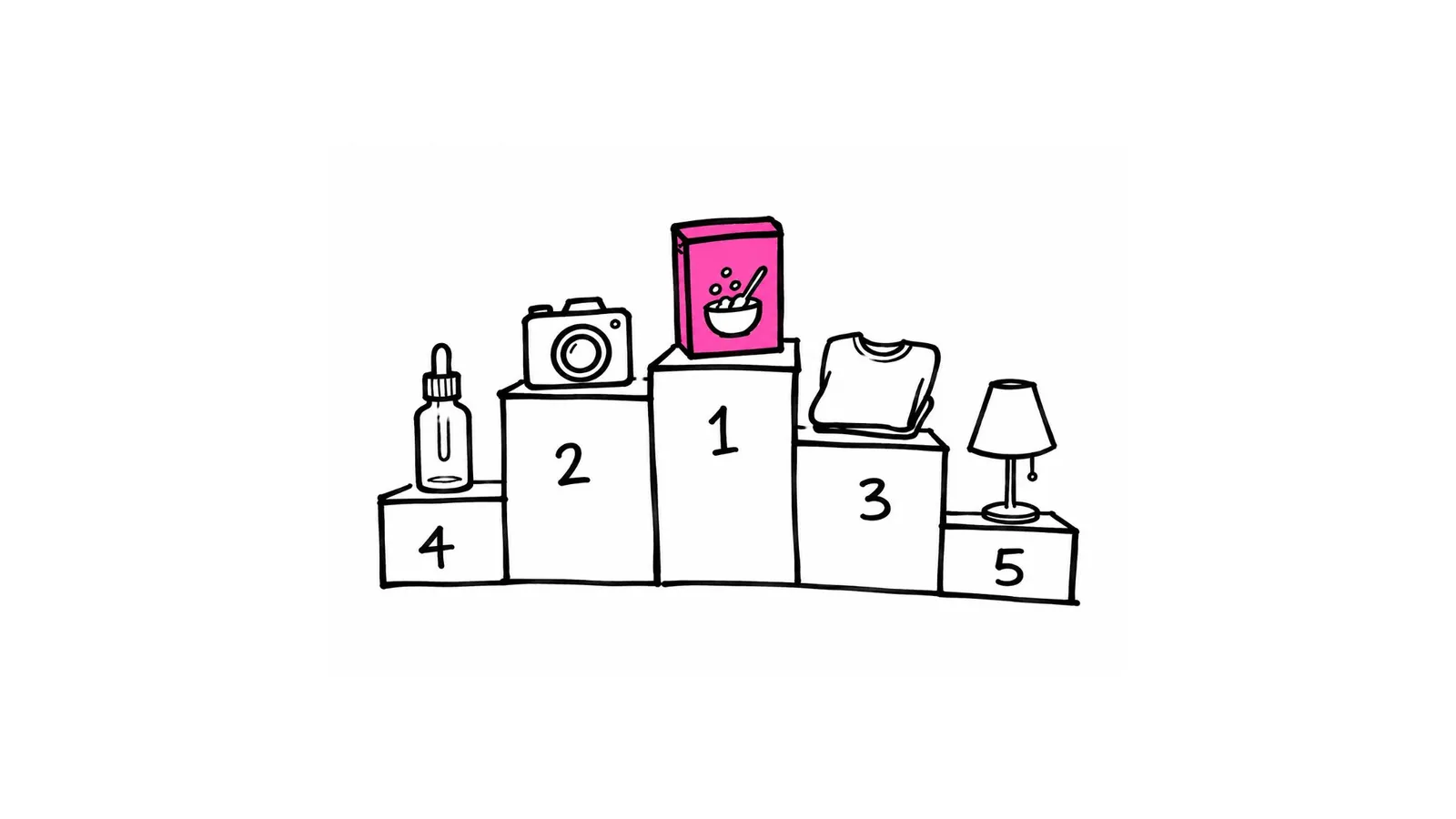
We studied 600+ Shopify referral programs to find the five industries where referrals contribute most to new customer acquisition.
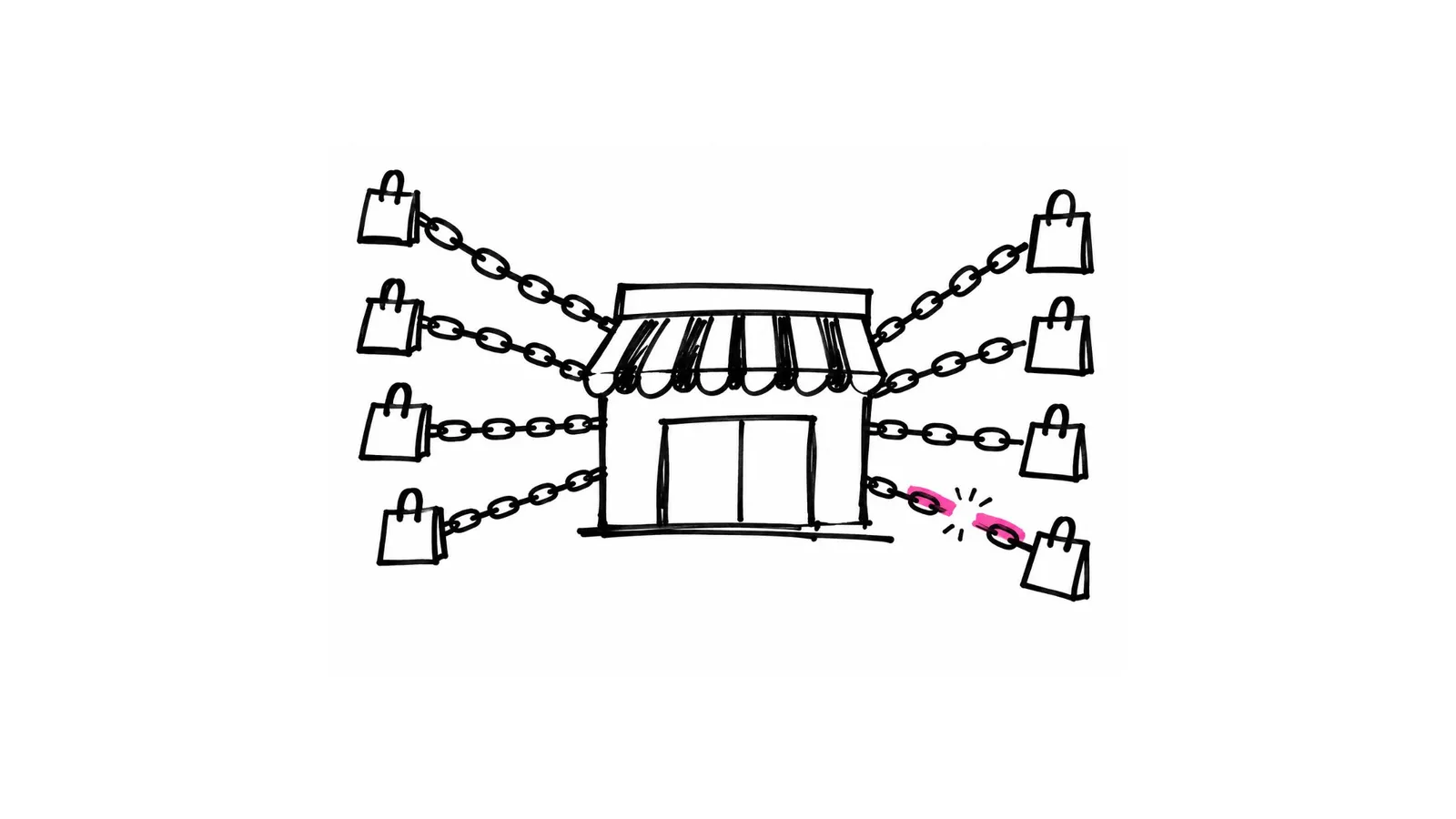
How many affiliates do you need in your program for it to gain traction? We studied more than 130 live Shopify merchants with a current active affiliate campaign and at least one enrolled partner.
Here are 15 live loyalty programs worth studying, organized into five models: simple repeat-purchase programs, VIP tiers, community programs, brand-specific rewards, and hybrid systems.
Compare ReferralCandy vs UpPromote through real merchant conversations about affiliate programs, customer referrals, and the frictions that make merchants switch.
ReferralCandy analyzed 450+ established Shopify referral programs to reveal 2026 benchmarks for sharing, revenue, rewards, AOV, and customer behavior.

Promote your Shopify store without an ad budget using 15 practical strategies for Google, Shop, SEO, content, email, social, and referrals.

The typical small Shopify store running referral and affiliate together generated 4x as many 90-day orders as the typical referral-only store. See the data.

A guide to choosing Shopify loyalty program apps, with the criteria that matter: earn and redeem flexibility, real repeat behavior, and referrals.

How to grow a Shopify store with compounding loops, not one-off campaigns, so retention, advocacy, and referral feed each other and growth lasts.
Learn how to increase sales on Shopify by lifting average order value, repeat purchases, conversion, and word-of-mouth from the customers you already have.

Build a lean Shopify marketing app stack around email, reviews, referrals and loyalty—without duplicate tools, wasted spend or unnecessary site weight.
A practical guide to choosing affiliate program software for your Shopify store, covering tracking, commissions, payouts, fraud, and the partner relationship.
We looked at active Shopify programs on ReferralCandy with sales in the twelve months from June 1, 2025 to May 31, 2026. Then we grouped those merchants by the reward type on their active campaigns and compared the share of each merchant's revenue that came from referrals.

Compare customer referrals and affiliate programs for Shopify stores. Learn when to start with referrals, when to start with affiliates, and when to build both.
We analyzed Shopify referral programs by AOV and found high-ticket products still appear among the strongest performers, including programs clearing 5% and 10% referral revenue share.
Compare ReferralCandy vs LoyaltyLion for Shopify referrals: when a loyalty platform makes sense, and when a simple give-get referral program is the better fit.
Build a referral marketing strategy that turns customer trust into growth, with a framework for goals, incentives, launch, and measurement.
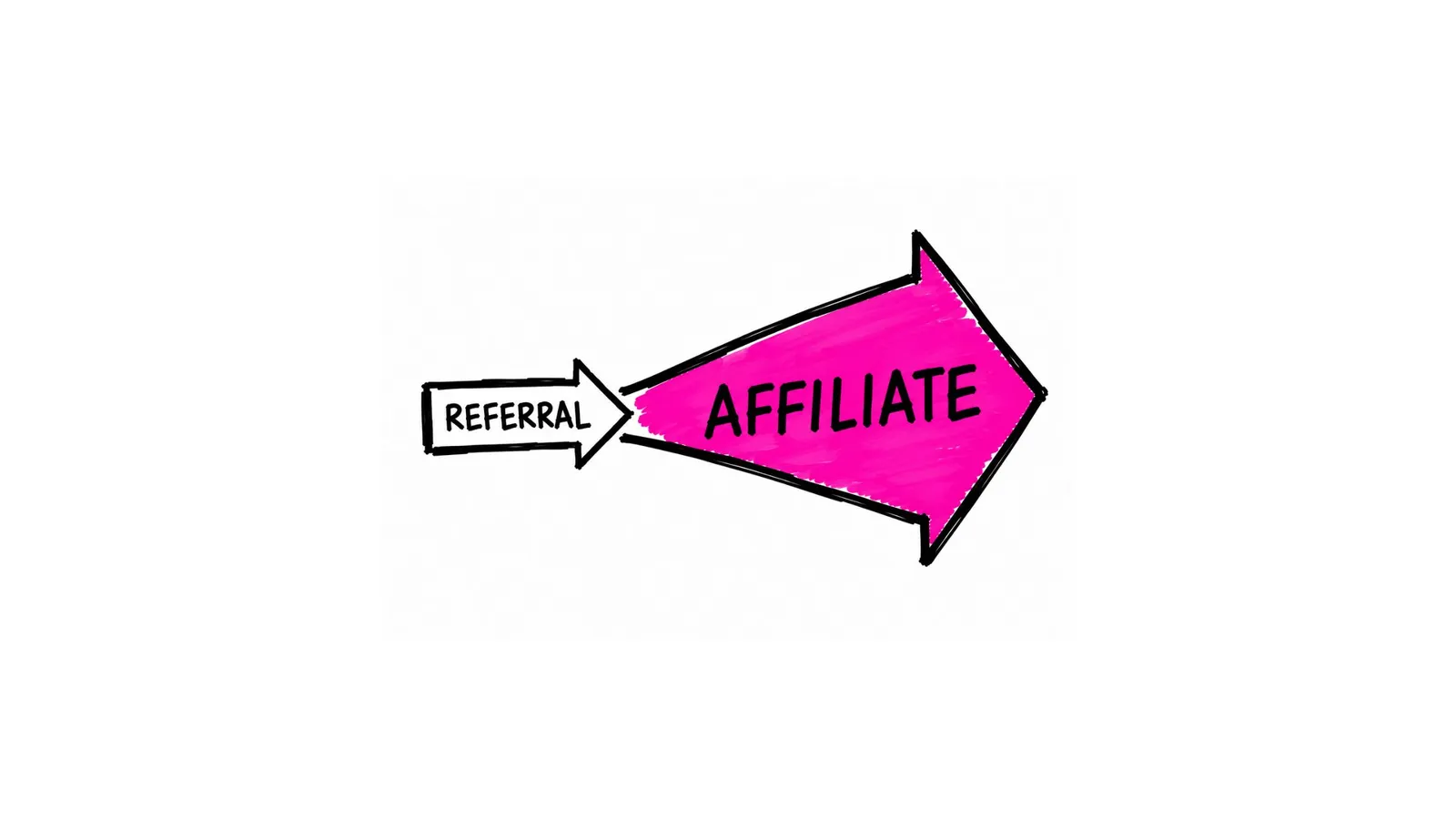
Among successful referral programs, adding affiliate made programs 1.8x more likely to clear 5% revenue share. Here’s when affiliate earns its place.

Launch a Shopify affiliate program with a practical checklist for your offer, tracking, partner outreach, onboarding, commissions, and first 50 affiliates.

We looked at non-disqualified referrals across live Shopify merchants on ReferralCandy and asked: how concentrated is referral volume among advocates?
What merchants say when they leave Friendbuy: too expensive, locked in for a year, on their own after launch. How ReferralCandy compares.

Data from live Shopify stores shows referral programs can work quickly: median time to first referred sale is about 14 days, with 68% within a month.

ReferralCandy data from Shopify merchants shows customer referrals happen mostly through chat and email, not public social feeds.