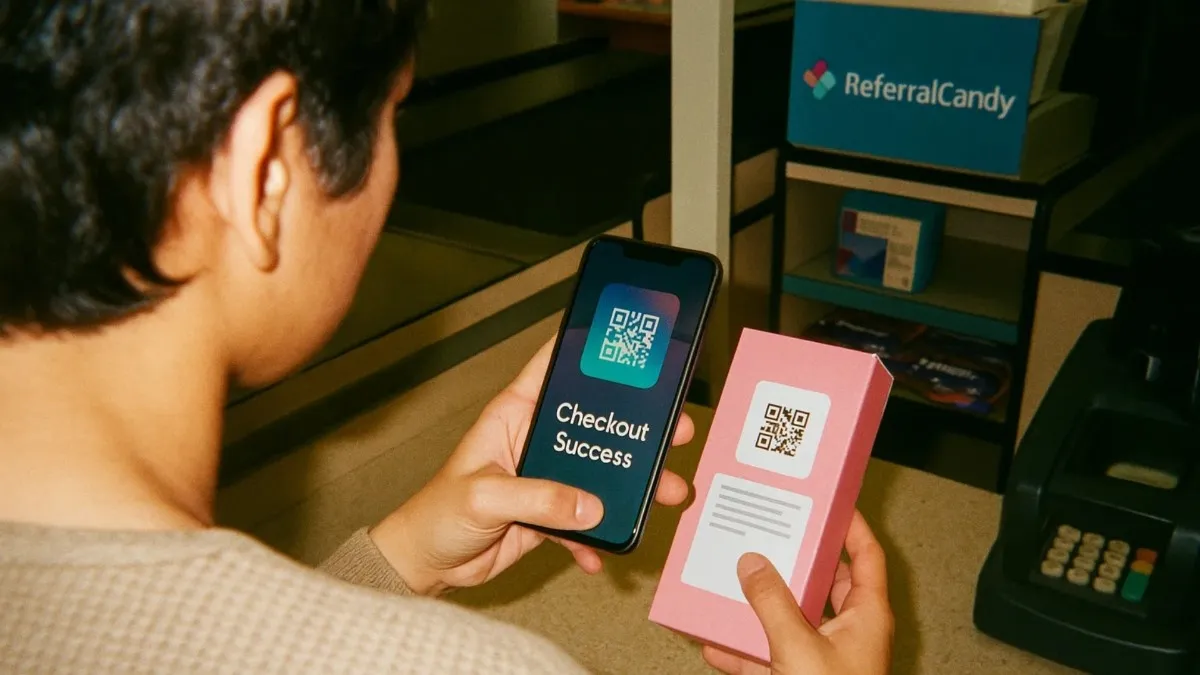
Quick answer: Influencer affiliate marketing works best when creators earn on performance, not posts, using shared tracking, payouts, and incentives.
Table of Contents
- Why influencer affiliate marketing matters in 2026
- Influencers vs affiliates: what changed
- What is a hybrid influencer affiliate model
- How creator partnerships fit into performance marketing
- Designing offers that work for creators and affiliates
- Tracking, attribution, and payout basics
- Launch and optimise checklist
- FAQ
- Takeaways
Why influencer affiliate marketing matters in 2026
Paid influencer posts alone are harder to justify as budgets tighten. Brands want proof, creators want upside, and teams want repeatable revenue. Influencer affiliate marketing brings those goals together by tying creator earnings to actual sales instead of impressions.
In 2026, the strongest programs blend creator partnerships with affiliate mechanics. This shift replaces one off sponsorships with long term, performance based relationships that scale.
Influencers vs affiliates: what changed
For years, influencer marketing and affiliate marketing lived in separate budgets.
Influencers were paid upfront for content. Affiliates were paid after a sale.
That split no longer holds.
Creators now expect recurring income from the brands they promote. Brands expect accountability from creator spend. The result is a middle ground where creators behave like affiliates and affiliates behave like creators.
Instead of asking “should this be influencer or affiliate,” teams now ask how to combine both.
For a solid grounding before diving deeper, see what affiliate marketing is and how to start building your own program.
What is a hybrid influencer affiliate model
A hybrid influencer affiliate model blends fixed creator collaboration with performance incentives.
Common structures include:
- A smaller upfront fee plus commission per sale
- Commission only, but with higher rates for creators
- Tiered payouts based on revenue milestones
- Bonuses for repeat sales or new customer orders
This model works because creators are rewarded for long term impact, not just reach. Brands gain predictable acquisition costs and clearer ROI.
Hybrid programs also reduce churn. When creators earn over time, they stay invested in the partnership.
How creator partnerships fit into performance marketing
Creator partnerships are no longer just about content creation. In an affiliate context, creators become distribution partners.
They:
- Share trackable links or codes
- Drive traffic across multiple posts and platforms
- Improve conversion through trust and familiarity
- Generate data that informs future campaigns
Unlike traditional affiliates, creators add context and storytelling. Unlike traditional influencers, they stay accountable to results.
This is why many brands now run creator programs through the same system they use for referrals and affiliates. Using one platform keeps tracking, payouts, and reporting aligned.
For brands already investing in referrals, extending that setup to creators through a single system makes execution simpler. Platforms like ReferralCandy support both referral and affiliate flows in one place, which reduces operational overhead as programs grow.
Designing offers that work for creators and affiliates
The biggest mistake brands make is offering the same commission to every partner.
Creators and affiliates behave differently. Their incentives should reflect that.
Effective approaches include:
- Higher commissions for creators who produce original content
- Lower base rates for coupon or deal focused partners
- New customer only commissions to protect margin
- Limited time bonuses to support launches or seasonal pushes
You can also mix incentives. Some creators prefer cash. Others respond better to store credit, exclusive access, or early product drops. Exploring different referral incentives helps tailor rewards to partner motivation without inflating costs.
Tracking, attribution, and payout basics
Hybrid programs fail when tracking feels unreliable or payouts feel unclear.
Every creator and affiliate needs:
- A unique link or code
- Clear attribution rules
- Transparent earnings visibility
- Predictable payout timing
Running this manually becomes painful fast. That is why most brands centralise tracking inside a dedicated platform.
ReferralCandy is often used here because it allows brands to run referral and affiliate programs together while supporting creator specific tools like personal codes, dashboards, and automated payouts. This setup is especially useful when influencer and affiliate activity overlaps.
Before launching, teams should also align pricing expectations. Reviewing how affiliate and referral costs fit into overall margins makes conversations with creators easier. Many brands link payouts directly to their performance based pricing so spend grows only when revenue does.
Launch / Optimise Checklist
- Define whether creators earn commission only or hybrid payouts
- Set separate commission rules for creators and traditional affiliates
- Create unique links and codes for every partner
- Prepare onboarding assets and brand guidelines
- Centralise tracking inside one platform like ReferralCandy
- Review performance weekly and adjust incentives
- Compare program costs against your current pricing model
FAQ
Is influencer affiliate marketing better than paid influencer posts?
It depends on your goals, but many brands prefer influencer affiliate marketing because it ties spend to revenue. Paid posts can still work for awareness, but affiliate based creator partnerships give clearer ROI, easier forecasting, and longer term value. For teams under pressure to justify budgets, performance based creator programs are easier to defend internally.
How do I convince creators to accept affiliate commissions?
Most creators are open to affiliate models if the offer feels fair. Higher commission rates, longer attribution windows, and clear reporting make a big difference. Hybrid deals that include a smaller upfront fee plus commission also help bridge the gap for creators used to flat sponsorships.
Can I run influencers, affiliates, and referrals together?
Yes. Many brands now manage all three under one system. This avoids duplicate payouts and conflicting attribution rules. Using one platform also makes it easier to compare results across channels and decide where to invest more.
How long does it take to see results from a hybrid model?
Most programs see early traction within the first one to two months, especially if creators already know the brand. Long term gains come from keeping top performers engaged with updated incentives, clear communication, and reliable payouts.
Takeaways
- Influencer affiliate marketing aligns creator motivation with revenue
- A hybrid influencer affiliate model reduces risk and improves ROI
- Creator partnerships work best when tracking and payouts are simple
- Centralising referrals, affiliates, and creators simplifies growth in 2026